Asthi Visarjan in Varanasi: Complete Guide for Families
- Home
- Asthi Visarjan in Varanasi: Complete Guide for Families
Asthi Visarjan in Varanasi: Complete Guide for Families

Asthi Visarjan in Varanasi: Complete Guide for Families
The Ganga holds a special place in Hindu religious tradition, and Varanasi is one of the most important pilgrimage destinations associated with the sacred river.
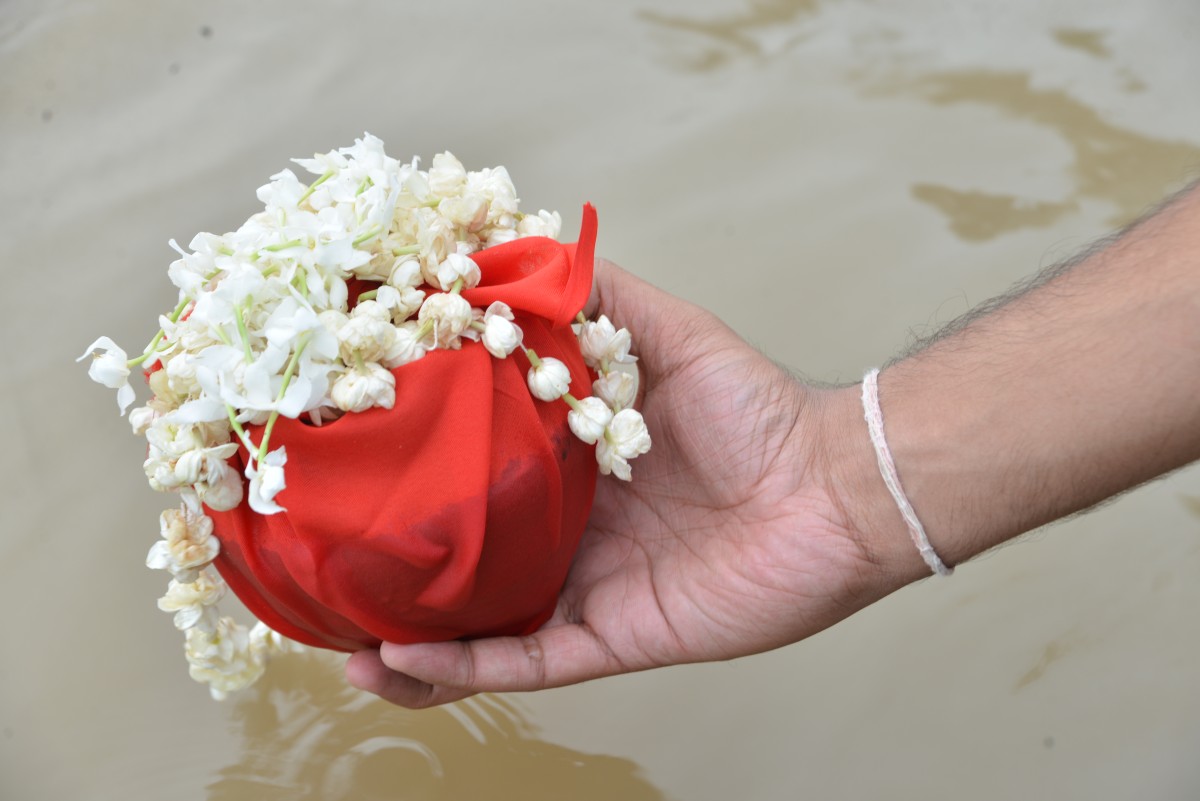
After the cremation of a loved one, some Hindu families travel to Varanasi to perform Asthi Visarjan, a traditional ritual involving the immersion of cremated remains.
For families planning this ceremony, understanding the general process and making arrangements in advance can make the pilgrimage easier.
What Is Asthi Visarjan?
Asthi Visarjan refers to the traditional immersion of cremated remains in a sacred body of water.
In many Hindu traditions, families perform this ritual as part of the ceremonies following the death of a family member.
The exact practices can vary according to region, family tradition and religious customs.
Why Do Families Choose Varanasi?
Varanasi is located on the banks of the Ganga and has been an important Hindu pilgrimage centre for centuries.
The city is strongly associated with Lord Shiva and Hindu traditions surrounding death and liberation.
Because of this religious significance, some families choose Kashi for Asthi Visarjan.
General Asthi Visarjan Procedure
The exact ceremony depends on the family's tradition and priest's guidance.
A typical arrangement may involve:
1. Bringing the Remains
The family brings the cremated remains to Varanasi in an appropriate container.
2. Sankalpa
The priest may guide the family through Sankalpa, formally stating the purpose of the ritual.
3. Prayers and Mantras
Prescribed prayers and mantras may be performed.
4. Ganga Ritual
The family may perform the prescribed immersion of the remains in the Ganga according to the ritual tradition being followed.
5. Additional Rituals
Depending on family customs, additional prayers, Tarpan or other ceremonies may be performed.
What Should Families Carry?
Before travelling, ask your priest about the requirements.
Generally, families should have:
- Cremated remains
- Information about the deceased
- Relevant family details
- Required ritual materials
- Traditional clothing if applicable
Should Asthi Visarjan Be Arranged in Advance?
Yes.
Families travelling from another city or state should preferably arrange the priest and ceremony beforehand.
This is particularly useful during busy pilgrimage periods.
Asthi Visarjan and Other Ancestral Rituals
Some families perform additional rituals in Varanasi along with Asthi Visarjan.
Depending on the family tradition, these may include:
- Pind Daan
- Shraddha
- Tarpan
- Pitru Karya
- Other traditional ceremonies
However, these rituals are not automatically required for every family.
Ask the priest what is appropriate for your specific circumstances.
Important Considerations
Families should be particularly careful when handling cremated remains.
Follow local instructions regarding transportation, storage and immersion.
The Ganga is also an environmentally sensitive river, so families should avoid plastic, non-biodegradable materials and other inappropriate items.
Use designated arrangements and follow local guidance.
Frequently Asked Questions
What is Asthi Visarjan?
Asthi Visarjan is the traditional immersion of cremated remains in a sacred body of water as part of Hindu death-related rituals.
Can Asthi Visarjan be performed in Varanasi?
Yes. Families travel to Varanasi to perform Asthi Visarjan and related rituals according to their traditions.
Can Pind Daan be performed along with Asthi Visarjan?
Some families perform both rituals, but whether they should be combined depends on the family tradition and priest's guidance.
Do I need a Pandit for Asthi Visarjan?
Families commonly arrange a priest to guide the religious ceremony and prescribed rituals.
Conclusion
Asthi Visarjan is an important ritual for many Hindu families following the death of a loved one.
For families who choose Varanasi, the sacred Ganga and the religious heritage of Kashi make the city an important pilgrimage destination.
If you are planning Asthi Visarjan in Varanasi, TirthPurohit can help you understand the available arrangements and connect you with priests for traditional ceremonies.
Contact TirthPurohit before travelling so that the ritual can be planned according to your family's requirements.