Best Ghats in Varanasi for Pind Daan, Tarpan and Pitru Karya
- Home
- Best Ghats in Varanasi for Pind Daan, Tarpan and Pitru Karya
Best Ghats in Varanasi for Pind Daan, Tarpan and Pitru Karya

Best Ghats in Varanasi for Pind Daan, Tarpan and Pitru Karya
Varanasi, also known as Kashi, is one of the most important pilgrimage destinations for Hindu spiritual and ancestral rituals. The sacred River Ganga and the ancient ghats of Varanasi attract families who wish to perform rituals such as Pind Daan, Tarpan, Shraddha and Pitru Karya.
For families visiting Kashi for ancestral rituals, choosing an appropriate place for the ceremony is an important part of planning the pilgrimage.
In this guide, we discuss some important ghats in Varanasi, the types of rituals families may arrange there, and the factors to consider when selecting a location for Pind Daan in Varanasi.
Why Are the Ghats of Varanasi Important?
The ghats along the Ganga are an essential part of Varanasi's religious and cultural identity. Devotees visit the ghats for bathing, prayers, meditation, ceremonies and various Hindu religious rituals.
For families performing ancestral rituals, the presence of the sacred Ganga makes Varanasi an important pilgrimage destination.
Depending on the family tradition and the specific ritual being performed, a priest may recommend a particular ghat or location.
It is therefore important to discuss the ceremony with an experienced Pandit before deciding where the ritual should be performed.
Important Ghats in Varanasi
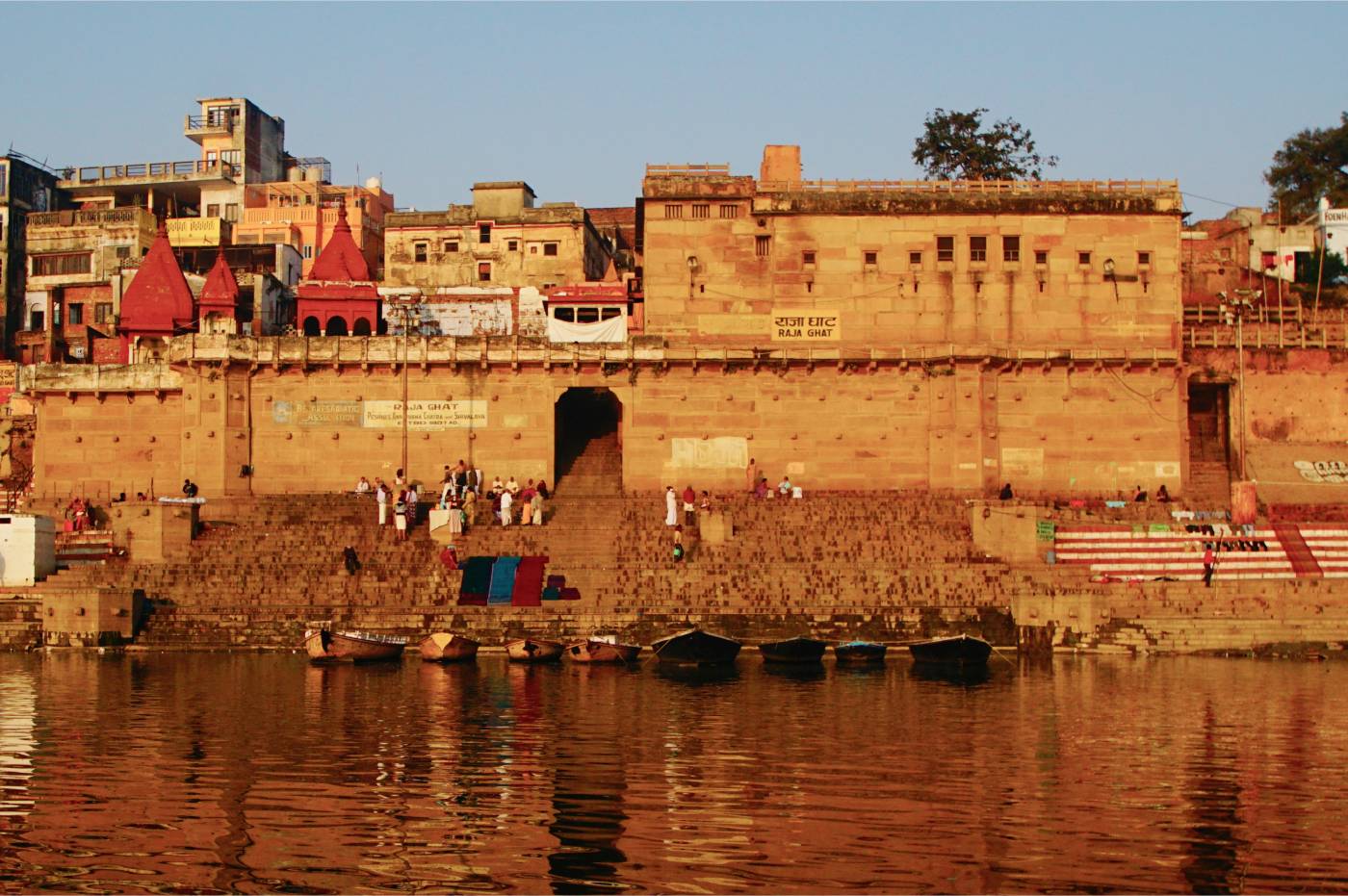
1. Rajghat
Rajghat is located in the northern part of Varanasi and is situated near the confluence region of the Ganga and Varuna rivers.
It is an important area for religious activities and can be considered by families looking for a comparatively peaceful setting for traditional rituals.
Families arranging Pind Daan in Varanasi may choose a suitable location according to their ritual requirements and priest's guidance.
At TirthPurohit, families can discuss their requirements with the priest in advance so that the appropriate arrangements can be made for the ceremony.
2. Manikarnika Ghat
Manikarnika Ghat is one of the most well-known and sacred ghats of Varanasi. It has a strong association with Hindu beliefs surrounding death, cremation and liberation.
Because of its religious significance, many visitors come to this area as part of important spiritual journeys.
However, families should understand that Manikarnika is also an active cremation ground. Therefore, the exact suitability of the location for a particular ancestral ritual should be discussed with the priest beforehand.
3. Dashashwamedh Ghat
Dashashwamedh Ghat is one of the most famous ghats in Varanasi and is located close to the central pilgrimage area of the city.
The ghat is particularly well known for the evening Ganga Aarti and attracts a large number of pilgrims and visitors.
Because it is generally a busy location, families planning a private or detailed ancestral ceremony should discuss the timing and location with their Pandit in advance.
4. Assi Ghat
Assi Ghat is situated in southern Varanasi, near the meeting area of the Ganga and Assi rivers.
It is one of the popular places for pilgrims, visitors and spiritual activities.
Families staying in the southern part of Varanasi may find Assi Ghat convenient, although the appropriate location for a specific Pitru Karya or Tarpan ceremony should always be determined according to the ritual and family tradition.
Which Ghat Is Best for Pind Daan in Varanasi?
There is no single ghat that can be called the universally "best" place for every family.
The appropriate location can depend on:
- The type of ritual
- Family tradition
- The purpose of the ceremony
- The priest performing the ritual
- Number of family members
- Preferred time
- Accessibility
- Privacy requirements
- Current local conditions
Therefore, instead of selecting a ghat only because it appears popular online, families should speak with an experienced Pandit before finalizing the location.
This is particularly important when arranging Pind Daan, Shraddha, Tarpan or Pitru Karya in Varanasi.
Pind Daan at the Ganga in Varanasi
Pind Daan is an important Hindu ancestral ritual performed for departed family members.
During the ceremony, offerings are made according to traditional practices and prayers are performed for the ancestors.
When Pind Daan is performed in Varanasi, families may choose a location near the Ganga depending on their ritual requirements.
The ceremony may involve several traditional steps, which can include:
- Sankalpa
- Preparation of Pind
- Pind Daan
- Tarpan
- Prayers for ancestors
- Other family-specific rituals
The exact procedure may vary according to family tradition, regional practices and the guidance of the priest.
Tarpan in Varanasi
Tarpan is another important ancestral practice in Hindu traditions.
It generally involves offering water and prayers in remembrance of ancestors.
Families visiting Kashi may wish to perform Tarpan along the Ganga as part of their ancestral pilgrimage.
If you are planning Tarpan in Varanasi, it is advisable to discuss the appropriate procedure and location with your Pandit before beginning the ceremony.
Pitru Karya in Kashi
The term Pitru Karya refers broadly to religious practices performed in remembrance and honor of ancestors.
Depending on the family tradition, these may include:
- Pind Daan
- Tarpan
- Shraddha
- Brahmin Bhojan
- Donations
- Other ancestral prayers and ceremonies
Kashi provides a deeply spiritual environment for families undertaking such a pilgrimage.
Because different families may follow different traditions, an experienced priest can help determine which rituals are appropriate.
What Should Families Prepare Before Visiting the Ghat?
Before travelling to Varanasi for an ancestral ceremony, it is useful to prepare the following information:
1. Details of the deceased
Keep basic details about the family member for whom the ritual is being performed.
Depending on the ceremony, the priest may ask for information such as the person's name and family details.
2. Family tradition
If your family follows a particular regional or traditional method of performing Shraddha or Pind Daan, inform the priest beforehand.
3. Date and preferred time
Discuss your preferred date and time in advance.
This helps the priest arrange the required materials and location.
4. Number of participants
Tell the Pandit approximately how many family members will attend the ceremony.
5. Ritual requirements
Ask the priest what materials are required and whether the arrangements will be made by the priest or need to be brought by the family.
Should You Book a Pandit in Advance?
Yes, advance arrangements can make the pilgrimage much easier.
Varanasi receives pilgrims throughout the year, and during important religious periods the demand for experienced priests can increase.
By contacting a Pandit before arriving, families can discuss:
- Ritual requirements
- Date and time
- Ghat or ceremony location
- Required materials
- Dakshina
- Number of participants
- Additional rituals
- Brahmin Bhojan, if required
This can help avoid confusion after reaching Varanasi.
Pind Daan During Pitru Paksha
Pitru Paksha is a particularly important period for ancestral remembrance and Shraddha rituals.
During this period, many families travel to pilgrimage destinations such as Varanasi and Gaya to perform ancestral ceremonies.
If you are planning Pind Daan in Varanasi during Pitru Paksha, it is better to contact the priest well in advance.
Advance planning can help with choosing a suitable date, understanding the ritual requirements and arranging the necessary materials.
How to Choose the Right Location?
When choosing a location for your ancestral ritual in Varanasi, consider the following:
Religious suitability:
Ask the priest whether the location is appropriate for your particular ritual.
Accessibility:
Consider how easily elderly family members can reach the location.
Timing:
Some ghats can become extremely busy, particularly during popular visiting hours.
Privacy:
If your family prefers a quieter environment, discuss this requirement with the Pandit.
Arrangements:
Confirm who will arrange the Puja materials, seating and other requirements.
Transportation:
Choose a location that is practical for your family, especially if you are travelling with elderly people.
Why Plan Your Ritual in Advance?
A well-planned pilgrimage allows families to focus on the spiritual purpose of the visit rather than worrying about arrangements.
Before travelling to Kashi, confirm:
- Date of the ceremony
- Time of the ceremony
- Location
- Pandit availability
- Ritual requirements
- Puja materials
- Number of family members
- Additional services
- Payment and Dakshina arrangements
Clear communication with the priest beforehand can make the experience more comfortable for the entire family.
Conclusion
The ghats of Varanasi are deeply connected with the religious and cultural identity of Kashi. Families visiting the city for Pind Daan, Tarpan, Shraddha and Pitru Karya should select their ceremony location based on their specific ritual requirements rather than simply choosing the most famous ghat.
Rajghat, Manikarnika Ghat, Dashashwamedh Ghat and Assi Ghat are among the well-known ghats of Varanasi, but the appropriate place for a particular ceremony should be confirmed with an experienced Pandit.
If you are planning Pind Daan in Varanasi, arranging the Pandit, ritual materials, date and location in advance can make your pilgrimage much easier.
Frequently Asked Questions
Which is the best ghat for Pind Daan in Varanasi?
There is no universally best ghat for every family. The appropriate location depends on the ritual, family tradition and priest's guidance.
Can Pind Daan be performed near the Ganga in Varanasi?
Families can arrange ancestral rituals at appropriate locations near the Ganga, depending on the ritual and local arrangements. Discuss the exact location with your Pandit beforehand.
Can Tarpan be performed in Varanasi?
Yes, families visiting Kashi may arrange Tarpan according to their family tradition and the guidance of their priest.
Should I book a Pandit before visiting Varanasi?
Advance arrangements are recommended, especially during Pitru Paksha and other busy pilgrimage periods.
What information should I provide to the Pandit?
You should generally provide details about the deceased family member, your family tradition, preferred date, number of participants and the type of ritual you want to perform.
Can elderly family members participate in Pind Daan?
Yes, family members can participate according to their ability and the requirements of the ceremony. When travelling with elderly people, accessibility should be considered while choosing the location.
Is Pind Daan possible during Pitru Paksha in Varanasi?
Families can arrange ancestral rituals during Pitru Paksha. Since this can be a busy period, advance planning with an experienced Pandit is advisable.