How to Perform Pind Daan in Varanasi: Step-by-Step Guide
- Home
- How to Perform Pind Daan in Varanasi: Step-by-Step Guide
How to Perform Pind Daan in Varanasi: Step-by-Step Guide

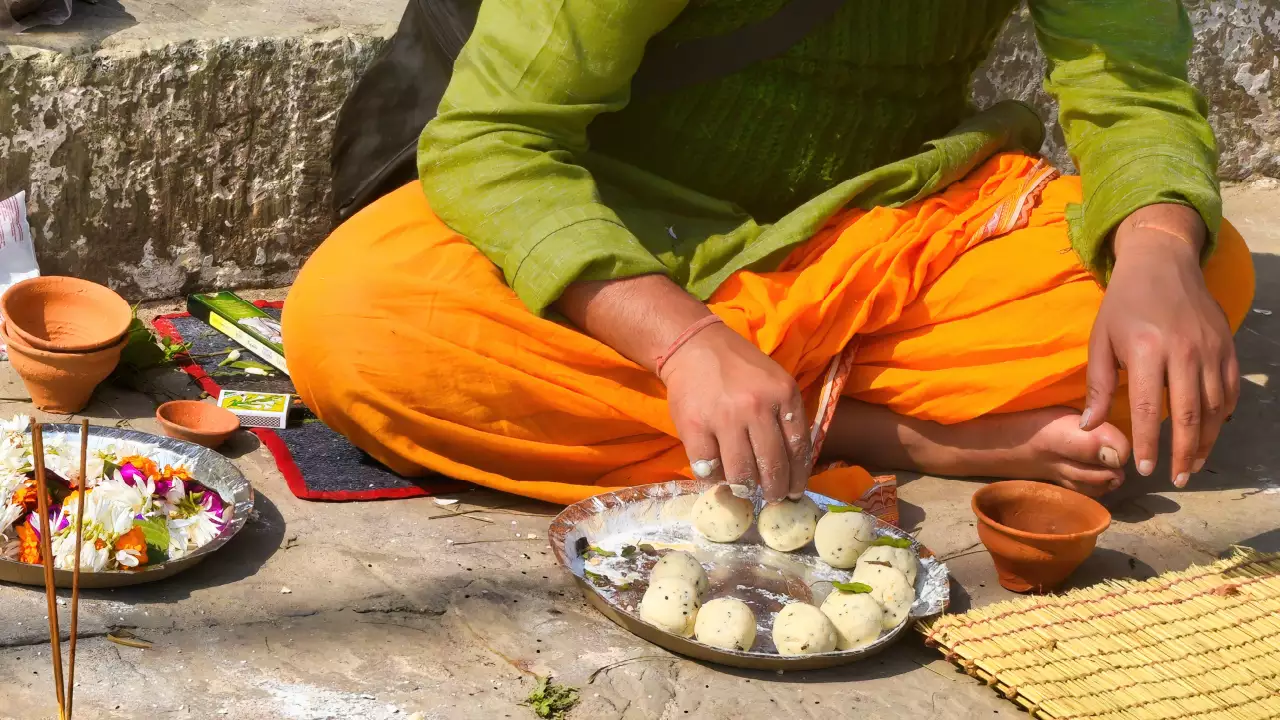
How to Perform Pind Daan in Varanasi: Step-by-Step Guide for Families
For many Hindu families, performing traditional rituals for departed ancestors is an important religious responsibility. Varanasi, also known as Kashi or Banaras, is one of the most significant pilgrimage destinations where families come to perform various ancestral and Vedic rituals.
If you are planning Pind Daan in Varanasi, you may have questions about the procedure, what to bring, who can perform the ritual, how to select a Pandit and how to prepare for the ceremony.
This guide explains the general process in a simple way.
Note: Hindu rituals can differ according to family tradition, region, sampradaya and the specific purpose of the ceremony. The exact procedure should always be confirmed with the priest conducting your ceremony.
What Is Pind Daan?
Pind Daan is a traditional Hindu ancestral ritual involving prescribed offerings known as pinda.
Families perform Pind Daan in remembrance and honour of departed ancestors. It forms part of the broader tradition of Pitru Karya, which includes various religious practices associated with ancestors.
The ritual may be performed for deceased parents, grandparents and other ancestors according to family traditions.
Why Perform Pind Daan in Varanasi?
Varanasi has a unique position in Hindu religious tradition.
The city is situated on the banks of the Ganga and is strongly associated with Lord Shiva, pilgrimage and spiritual liberation.
For generations, pilgrims have travelled to Kashi for religious ceremonies, temple visits and rituals connected with important stages of life.
Families may therefore choose Varanasi for ancestral ceremonies such as:
- Pind Daan
- Shraddha
- Pitru Tarpan
- Pitru Karya
- Other Vedic rituals
Step 1: Decide Which Ritual You Need
Before travelling to Varanasi, first understand which ceremony your family wants to perform.
Pind Daan is related to several ancestral practices, but not every ceremony is the same.
Your requirement might be:
- Pind Daan
- Shraddha
- Pitru Tarpan
- Pitru Karya
- Annual Shraddha
- Ritual during Pitru Paksha
- Ceremony for a deceased parent
- Ceremony for a deceased grandparent
If you are unsure, speak with a knowledgeable priest before fixing the ceremony.
Step 2: Collect Family Information
The priest may need certain information to guide the ceremony.
Keep the following details available:
Name of the deceased
Write down the full name of the person for whom the ritual is being performed.
Relationship
For example:
- Father
- Mother
- Grandfather
- Grandmother
- Other ancestor
Date of Death
Keep the date of death available.
Tithi
If your family knows the relevant Hindu tithi, provide it to the priest.
Gotra
If your family knows its gotra, keep that information available.
Name of the person performing the ritual
The person performing the ceremony should provide their details to the priest.
Having these details ready can make the preparation easier.
Step 3: Select the Date
The appropriate date depends on the type of ceremony and family tradition.
Some families perform ancestral rituals on the relevant death anniversary tithi.
Others choose important periods such as Pitru Paksha.
Because Hindu calendars are based on lunar calculations and traditions can vary, it is better to confirm the date with the priest.
Do not select an important ritual date only by relying on a generic internet calendar.
Step 4: Arrange a Pandit in Varanasi
The priest plays an important role in guiding the ceremony.
When choosing a Pandit for Pind Daan in Varanasi, discuss the following before confirming:
- Type of ritual
- Date
- Location
- Number of family members
- Ritual materials
- Duration
- Charges
- Additional ceremonies
If your family follows a particular regional tradition, tell the priest about it in advance.
This is especially useful for families travelling from different states of India.
Step 5: Confirm the Ritual Location
Varanasi has many ghats and sacred locations.
The appropriate place for your ritual should be confirmed with the priest.
Do not assume that every ghat is suitable for every ceremony.
Depending on the ritual and local arrangements, the priest can guide your family to the appropriate location.
Step 6: Prepare the Ritual Materials
The required materials depend on the ceremony.
Your priest may arrange many of the materials locally.
Before travelling, ask whether you need to bring anything.
Depending on the ritual, traditional materials may include items such as:
- Rice
- Sesame seeds
- Flowers
- Water
- Kusha grass
- Fruits
- Clothing
- Other prescribed puja materials
Do not purchase a large quantity of items without first confirming the requirements with your priest.
Step 7: Arrive at the Location on Time
On the day of the ceremony, arrive at the agreed location at the scheduled time.
If you are travelling with elderly family members or children, allow extra travel time.
Varanasi can become particularly busy during festivals, religious occasions and peak pilgrimage periods.
Step 8: Begin With Sankalpa
A Pind Daan ceremony generally begins with Sankalpa, a formal religious resolve.
The person performing the ritual states the intention of the ceremony under the guidance of the priest.
The details included in the Sankalpa can vary according to the ritual tradition.
Step 9: Perform the Prescribed Prayers
The priest guides the family through the appropriate prayers and mantras.
Family members should follow the priest's instructions throughout the ceremony.
The sequence can vary depending on the purpose of the ceremony and the family's tradition.
Step 10: Prepare the Pinda Offerings
Pinda offerings are prepared according to the ritual tradition.
Rice and other prescribed ingredients may be used.
The priest will explain how the offerings should be prepared and placed.
Families should follow the instructions of the priest rather than trying to perform this portion independently.
Step 11: Perform Pind Daan
The principal Pind Daan offering is then performed.
The person conducting the ritual makes the prescribed offerings while the priest recites or guides the relevant mantras.
The exact number and form of offerings can differ according to tradition.
Step 12: Perform Tarpan
Depending on the ceremony, Tarpan may also be performed.
Tarpan generally involves offering water during an ancestral ritual.
It is found in several Hindu religious practices associated with honouring ancestors.
The priest will explain the correct procedure for the ceremony being performed.
Step 13: Complete Other Ritual Requirements
Depending on the family tradition, the ceremony may include additional prayers, offerings, charity or other customary practices.
Some families may also arrange Brahmin Bhojan as part of their ancestral observance.
Not every family needs to perform every possible ritual, so the ceremony should be planned according to the family's requirements.
Step 14: Complete the Ceremony
Once the principal ritual has been completed, the priest guides the family through the concluding prayers and customary steps.
The family can then continue with the rest of their Varanasi pilgrimage.
What Should You Wear?
Simple, clean and traditional clothing is generally appropriate for religious ceremonies.
However, clothing requirements can vary.
Ask your priest beforehand if there are any specific requirements for your ceremony.
Who Can Perform Pind Daan?
The person who performs Pind Daan can vary according to family tradition, community practices and the particular ceremony.
In many traditional practices, certain ancestral rituals are performed by male family members, but practices differ among communities.
If your family situation is different or you are unsure who should perform the ritual, discuss it with the priest before travelling.
Can Women Participate?
Women's participation can vary according to family and regional traditions.
If female family members wish to participate in the ceremony, discuss this with the priest beforehand.
The priest can explain how participation can be arranged according to the family's tradition.
Can Pind Daan Be Performed for Multiple Ancestors?
Depending on the ritual tradition, families may perform ancestral ceremonies for more than one ancestor.
If you want to include multiple ancestors, inform the priest before the ceremony.
Provide the names and relationships of the ancestors wherever possible.
How Long Does Pind Daan Take?
There is no single fixed duration for every Pind Daan ceremony.
The time depends on:
- Type of ritual
- Number of ancestors
- Additional ceremonies
- Number of participating family members
- Tradition being followed
Ask your priest for an approximate duration when making your booking.
How Much Does Pind Daan Cost in Varanasi?
The cost depends on the type of ceremony, materials, number of rituals, priest arrangements and other services included.
There is therefore no single price applicable to every family.
Before confirming your ceremony, ask for a clear explanation of what is included in the charges.
This can help avoid misunderstandings.
Should You Book a Pandit in Advance?
Yes, advance planning is recommended.
This is particularly important if you are travelling during:
- Pitru Paksha
- Major Hindu festivals
- Amavasya
- Other important pilgrimage periods
Booking in advance gives your family an opportunity to discuss the ritual requirements and arrange the appropriate priest and location.
Common Mistakes to Avoid
1. Waiting Until the Last Minute
Trying to find a priest after arriving in Varanasi can make the process more stressful.
2. Not Confirming the Date
Always confirm the relevant date or tithi with your priest.
3. Not Explaining Your Family Tradition
Tell the priest if your family follows a particular regional or community tradition.
4. Not Confirming the Charges
Discuss the complete arrangements before the ceremony.
5. Carrying Unnecessary Materials
Ask what materials are actually required before purchasing or carrying them.
6. Planning Too Many Activities on the Same Day
Allow enough time for the ritual and local travel.
Pind Daan and a Varanasi Pilgrimage
Many families combine their ancestral ritual with a broader pilgrimage.
Depending on their schedule, they may visit:
- Kashi Vishwanath Temple
- Ganga Ghats
- Kal Bhairav Temple
- Vishalakshi Temple
- Annapurna Temple
- Other important temples and pilgrimage locations
If the Pind Daan ceremony is the main purpose of your visit, complete the ritual according to the priest's schedule before planning sightseeing.
Frequently Asked Questions
How do I perform Pind Daan in Varanasi?
The ceremony should be performed under the guidance of a qualified priest. The general process may include Sankalpa, prayers, preparation of Pinda, Pind Daan, Tarpan and concluding rituals.
Can I perform Pind Daan without a Pandit?
Because the ceremony involves prescribed mantras and ritual procedures, families commonly arrange a priest to guide them.
Can Pind Daan be performed for my father?
Families may perform ancestral rituals for a deceased father according to their family tradition.
Can Pind Daan be performed for my mother?
Families may also perform ancestral rituals for a deceased mother according to their tradition.
Can I perform Pind Daan for my grandparents?
Yes, families may perform appropriate ancestral rituals for grandparents according to their customs.
What information should I give the Pandit?
Provide the deceased person's name, relationship, date of death, relevant tithi if known, gotra if known and details of the person performing the ritual.
Can Pind Daan be performed during Pitru Paksha?
Families commonly perform ancestral rituals during Pitru Paksha. Confirm the appropriate date and procedure with your priest.
Do I need to bring Pind Daan materials?
Requirements vary. Ask your priest what will be arranged locally and what you need to bring.
How early should I book a Pandit?
Advance booking is advisable, especially during Pitru Paksha and other busy pilgrimage periods.
Conclusion
Performing Pind Daan in Varanasi is a significant pilgrimage experience for many Hindu families.
The most important part of planning is to understand your family's ritual requirements, confirm the appropriate date, arrange a suitable priest and discuss the ceremony in advance.
If you are planning Pind Daan in Kashi, TirthPurohit can help you understand the available ritual arrangements and connect you with priests in Varanasi.
Contact TirthPurohit before travelling so that your Pind Daan, Shraddha or Pitru Karya ceremony can be planned according to your family's requirements.