Importance of Asthi Visarjan in Kashi (Varanasi)
- Home
- Importance of Asthi Visarjan in Kashi (Varanasi)
Importance of Asthi Visarjan in Kashi (Varanasi)

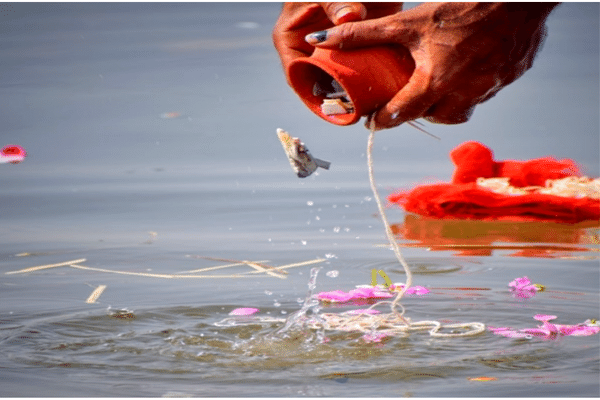
In the sacred geography of India, few places hold the spiritual magnitude of Kashi (Varanasi). Revered as the eternal city and the abode of Lord Shiva, Kashi is believed to stand beyond the cycle of time. For thousands of years, devotees have brought the ashes (asthi) of their departed loved ones here to perform Asthi Visarjan—the ritual immersion of mortal remains into the holy river Ganga River. This sacred act is not merely a tradition; it is a deeply rooted spiritual practice described in scriptures, upheld by saints, and trusted by millions for the liberation (moksha) of the departed soul.
This article explores the profound importance of Asthi Visarjan in Kashi, its scriptural basis, spiritual meaning, and why this ritual in Varanasi is considered supremely auspicious.
What is Asthi Visarjan?
Asthi Visarjan is the Hindu ritual of immersing the ashes and bone fragments of a cremated person into a sacred river. While this ritual can be performed in many holy rivers across India, performing it in Kashi holds unparalleled spiritual merit.
According to Hindu beliefs, the physical body is made of five elements (Panch Tatva)—earth, water, fire, air, and ether. Cremation returns the body to these elements, and Asthi Visarjan completes this sacred cycle by offering the remains back to nature through the holy waters of Maa Ganga.
Why Kashi is Considered the Most Sacred Place for Asthi Visarjan
1. The City of Lord Shiva
Kashi is believed to be the favorite city of Lord Shiva. Scriptures say that Lord Shiva himself whispers the Taraka Mantra into the ears of the departed souls here, guiding them toward liberation. Because of this divine assurance, Kashi is considered the gateway to moksha.
2. Presence of the Sacred Ganga
The Ganga River in Kashi is believed to possess extraordinary purifying powers. It is said that even a drop of Ganga jal can cleanse lifetimes of karmic impurities. When ashes are immersed here, the soul is believed to be freed from past karmas and the endless cycle of rebirth.
3. Mention in Ancient Scriptures
Texts like the Garuda Purana, Skanda Purana, and Kashi Khanda describe the unmatched spiritual significance of performing last rites in Kashi. These scriptures clearly state that Asthi Visarjan in Kashi ensures peace and salvation for the departed soul.
Spiritual Significance of Asthi Visarjan in Kashi
Liberation from the Cycle of Birth and Death
Hindu philosophy teaches that the soul goes through cycles of birth and rebirth based on karma. Asthi Visarjan in Kashi is believed to cut this cycle and help the soul attain moksha.
Peace for the Departed Soul (Atma Shanti)
The ritual is performed with Vedic mantras by learned pandits on the ghats of Kashi. These vibrations, along with the sanctity of the place, are believed to bring deep peace to the departed soul.
Relief from Pitru Dosha
Improper last rites can lead to Pitru Dosha in the family. Performing Asthi Visarjan properly in Kashi is said to remove ancestral doshas and bring blessings to the family.
The Role of the Ghats in the Ritual
The ghats of Kashi, especially Manikarnika Ghat and Harishchandra Ghat, are eternally burning cremation grounds. These ghats symbolize the truth of life and death. Performing Asthi Visarjan at these sacred ghats connects the ritual directly to centuries of uninterrupted spiritual practice.
Connection with Kashi Vishwanath
After Asthi Visarjan, families often visit the sacred Kashi Vishwanath Temple to pray for the salvation of the departed soul. Seeking blessings from Lord Shiva here is considered an essential part of the ritual journey.
Why Families Travel from Across India to Kashi
Despite the availability of holy rivers in many regions, families travel long distances to Kashi because of the belief that:
- Shiva himself grants moksha here
- The Ganga in Kashi is spiritually supreme
- Scriptures recommend Kashi above all places for last rites
- Generations have followed this sacred tradition
The Ritual Procedure of Asthi Visarjan in Kashi
- Sankalp (vow) by the family member
- Vedic chanting by experienced pandits
- Offering pind daan and tarpan
- Immersion of ashes into the Ganga
- Prayers at Kashi Vishwanath Temple
Each step is performed with strict adherence to Vedic traditions.
Emotional and Spiritual Closure for the Family
Asthi Visarjan is not only for the departed but also for the living. Performing this ritual in Kashi gives families a sense of fulfillment, peace, and closure, knowing they have done the best possible rites for their loved one.
Conclusion
Asthi Visarjan in Kashi is a sacred bridge between life and liberation. It is a ritual where faith, scripture, tradition, and divine presence converge. The holy waters of the Ganga, the blessings of Lord Shiva, the sanctity of the ghats, and the spiritual aura of Kashi together make this ritual profoundly significant.
For centuries, this timeless practice has helped souls find peace and families find solace. Performing Asthi Visarjan in Kashi is not just a ritual—it is an act of ultimate love, duty, and devotion toward the departed.