Pind Daan in Kashi or Gaya: Which Place Is Better?
- Home
- Pind Daan in Kashi or Gaya: Which Place Is Better?
Pind Daan in Kashi or Gaya: Which Place Is Better?

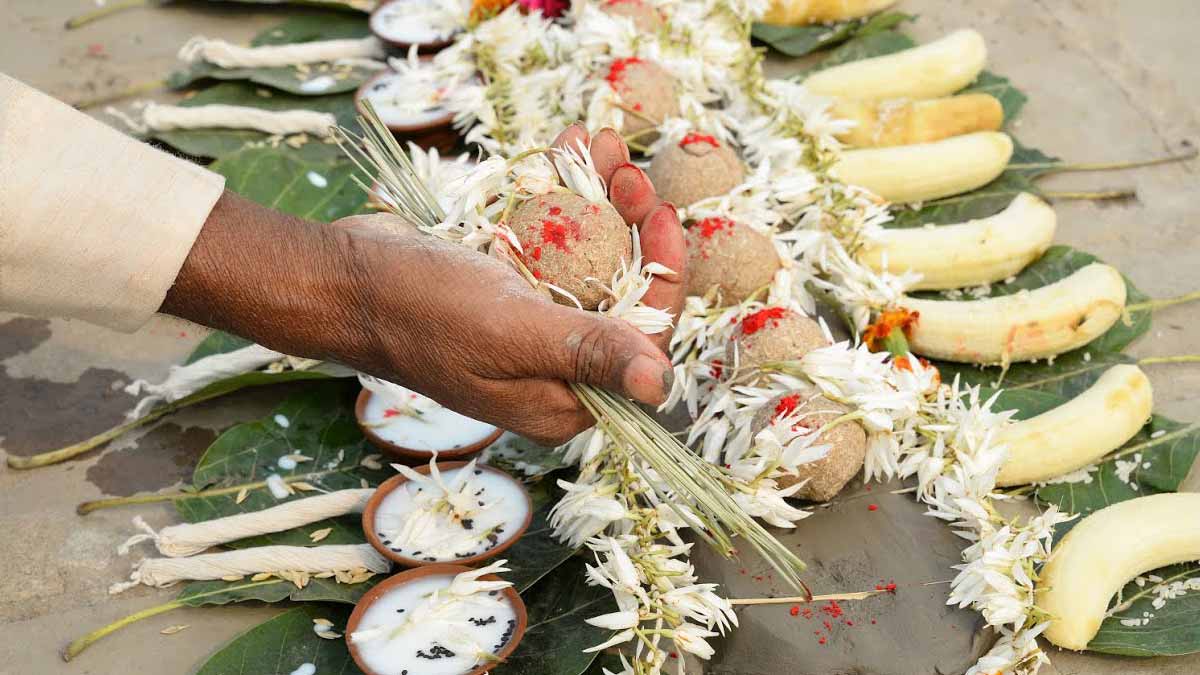
Pind Daan in Kashi or Gaya: Which Place Is Better?
When families plan ancestral rituals, one of the most common questions is whether they should perform Pind Daan in Kashi (Varanasi) or Gaya.
Both Kashi and Gaya are important pilgrimage destinations associated with Hindu ancestral rituals. However, they have different religious histories, traditions and pilgrimage practices.
The right choice depends on your family tradition, the specific ritual you want to perform and the guidance of a knowledgeable priest.
Why Is Kashi Important for Pind Daan?
Kashi, also known as Varanasi or Banaras, is one of India's most important Hindu pilgrimage cities.
Located on the banks of the sacred Ganga, Kashi is traditionally associated with Lord Shiva and spiritual liberation.
For many Hindu families, visiting Kashi is itself an important pilgrimage. Families may combine their visit with rituals such as Pind Daan, Shraddha, Tarpan and other Pitru Karya ceremonies.
The ghats of the Ganga are an important part of the religious identity of Varanasi.
Why Is Gaya Important for Pind Daan?
Gaya in Bihar has a particularly strong association with Pind Daan and ancestral rituals.
The city is traditionally connected with the story of Gayasura and the sacred Vishnupad Temple.
Gaya has therefore become an important pilgrimage destination for families wishing to perform ancestral rites.
Kashi vs Gaya for Pind Daan
There is no universal answer that Kashi is always better than Gaya, or that Gaya is always better than Kashi.
Both places have their own religious significance.
| Kashi | Gaya |
|---|---|
| Located on the Ganga | Important ancestral pilgrimage centre |
| Associated with Lord Shiva | Associated with Vishnupad Temple |
| Major pilgrimage city | Traditionally famous for Pind Daan |
| Important ghats and temples | Important Pind Daan pilgrimage sites |
| Strong association with Moksha traditions | Strong association with ancestral rites |
Which Place Should Your Family Choose?
Consider the following before making a decision.
Family Tradition
Some families have a traditional connection with a particular pilgrimage centre.
If your family has historically performed a particular ritual in Kashi or Gaya, this tradition may be important.
Type of Ritual
Different ancestral ceremonies can have different requirements.
Explain your intended ritual to the priest before travelling.
Religious Guidance
If you are uncertain, consult a knowledgeable priest who understands your family tradition.
Travel Convenience
Travel distance and transportation can also influence your decision, particularly for elderly family members.
Can Pind Daan Be Performed in Both Kashi and Gaya?
Some families choose to visit both pilgrimage centres at different times.
Whether this is appropriate for your family should be discussed with a priest because ritual practices and traditions differ.
Pind Daan in Kashi
Families visiting Varanasi may arrange Pind Daan along with other religious ceremonies.
Depending on their requirements, families may also arrange:
- Pitru Tarpan
- Shraddha
- Pitru Karya
- Ganga-related rituals
- Brahmin Bhojan
- Other Vedic ceremonies
Planning Pind Daan in Varanasi
If you are travelling to Kashi for Pind Daan, plan the ceremony before arriving.
Keep the following information available:
- Name of the deceased
- Relationship with the deceased
- Date of death
- Tithi, if known
- Gotra, if known
- Names of participating family members
You should also confirm the date, location, priest and ritual requirements beforehand.
Frequently Asked Questions
Is Kashi better than Gaya for Pind Daan?
Both Kashi and Gaya have important religious significance. The appropriate location depends on family tradition and the particular ritual.
Is Gaya only for Pind Daan?
Gaya is particularly famous for ancestral rituals and Pind Daan, but it is also an important pilgrimage destination with other religious sites.
Can Pind Daan be performed in Varanasi?
Yes. Families visit Varanasi to perform Pind Daan and other Pitru Karya rituals according to their traditions.
Can I perform Pind Daan in both Kashi and Gaya?
Some families visit both places, but the appropriate procedure depends on their religious tradition. Consult a priest before planning both ceremonies.
Conclusion
Kashi and Gaya are both significant destinations for Hindu pilgrimage and ancestral rituals.
Rather than choosing a location simply because it is considered "better," families should consider their tradition, the specific ritual, travel requirements and priestly guidance.
If your family is planning Pind Daan in Kashi, TirthPurohit can help you understand the ritual arrangements and connect with priests in Varanasi.
Contact TirthPurohit to discuss your Pind Daan, Shraddha or Pitru Karya requirements before travelling to Kashi.