Pind daan in varanasi complete guide
- Home
- Pind daan in varanasi complete guide
Pind daan in varanasi complete guide

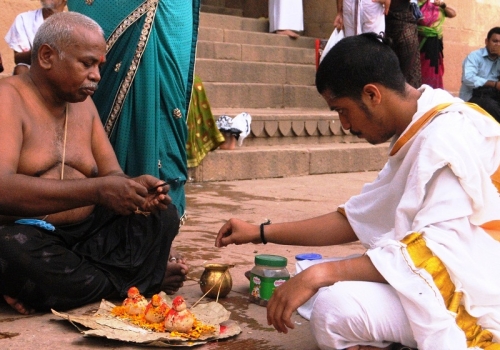
Pind Daan in Varanasi: Complete Guide to Rituals, Significance and Procedure
Varanasi, also known as Kashi and Banaras, is one of the most important pilgrimage destinations in Hindu tradition. Situated on the banks of the sacred Ganga, the city is associated with temples, ancient ghats, spiritual practices and rituals performed for generations.
Among the important rituals performed by Hindu families in Kashi is Pind Daan. Families may come to Varanasi to perform rituals in remembrance of deceased parents, grandparents, ancestors and other departed family members.
If you are planning Pind Daan in Varanasi, this guide explains the general meaning of the ritual, why families choose Kashi, what the ceremony generally involves, who can perform it, what to prepare before travelling and how to arrange a suitable priest.
Important: Pind Daan and Shraddha traditions can vary according to family tradition, region, sampradaya and the guidance of the priest. The exact procedure should therefore be confirmed with a qualified priest before performing the ceremony.
What Is Pind Daan?
Pind Daan is a Hindu ancestral ritual in which offerings known as pinda are made as part of remembrance and reverence for departed ancestors.
The word "pinda" generally refers to an offering made in a particular ritual form, traditionally prepared from ingredients such as cooked rice and other prescribed materials. "Daan" means offering or giving.
The ritual is traditionally connected with Pitru Karya, the set of religious practices performed in remembrance of ancestors.
For many families, Pind Daan is not simply a ceremony. It is an opportunity to remember their ancestors, express gratitude towards previous generations and perform traditional duties according to their family customs.
Why Do Families Perform Pind Daan in Varanasi?
Varanasi holds a special place in Hindu religious tradition. The city is widely regarded as one of India's most sacred pilgrimage centres and is closely associated with Lord Shiva, the Ganga and the idea of spiritual liberation.
The Government of India's Incredible India tourism portal describes Varanasi as one of Hinduism's seven sacred cities and highlights the city's long-standing connection with spiritual traditions, temples and the Ganga.
The city's ghats are an important part of its religious identity. Manikarnika Ghat, for example, is described by Incredible India as one of Varanasi's holiest cremation grounds and a place deeply associated with Hindu traditions surrounding life, death and liberation.
Because of this religious environment, many families choose Kashi for ancestral rituals such as Pind Daan, Shraddha and other forms of Pitru Karya.
Is Pind Daan Only Performed in Varanasi?
No.
Pind Daan is performed at several pilgrimage locations in India. Different families may have different traditional places for performing ancestral rituals.
Gaya is another particularly important pilgrimage destination associated with Pind Daan and ancestral rites.
Varanasi, however, has its own importance because of its association with Kashi, the Ganga, Lord Shiva and the city's ancient pilgrimage traditions.
The choice between Varanasi, Gaya or another pilgrimage location can depend on family tradition, regional customs, the specific ritual being performed and the advice of a knowledgeable priest.
Where Is Pind Daan Performed in Varanasi?
Pind Daan and related ancestral rituals may be performed at suitable sacred locations in and around Varanasi according to the ritual requirements and the priest's guidance.
The ghats along the Ganga are among the most recognisable sacred spaces in the city.
Manikarnika Ghat
Manikarnika Ghat is one of the most famous and sacred ghats of Varanasi. It is historically associated with cremation traditions and pilgrimage.
The official Incredible India website describes Manikarnika as one of Varanasi's holiest cremation grounds and notes its importance in Hindu traditions concerning life, death and liberation.
Because of the sensitive nature of the activities performed at the ghat, families should follow local instructions and the guidance of their priest when visiting the area.
Ganga Ghats
The Ganga and its ghats form an important part of Varanasi's religious landscape.
Different ghats have different histories and religious associations. Therefore, the exact location for a particular ritual should be confirmed in advance rather than assuming that every ritual is performed at every ghat.
What Happens During Pind Daan?
The exact procedure differs according to the family's tradition and the type of ritual being performed.
A general Pind Daan ceremony may include several stages.
1. Sankalpa
The ceremony generally begins with Sankalpa, a formal statement of intention.
The person performing the ritual makes a religious resolve and identifies the purpose of the ceremony and, according to the tradition being followed, the ancestor or ancestors for whom the ritual is being performed.
2. Invocation and Worship
The priest guides the family through the required prayers and worship.
Depending on the tradition, prayers may be offered to deities and ancestors before the principal offerings are made.
3. Preparation of Pinda
Pinda offerings are prepared using ingredients prescribed for the ritual.
The exact ingredients and method can differ according to regional and family traditions.
4. Pind Daan
The pinda offerings are offered as directed by the priest.
Mantras and other prescribed prayers may be recited during this portion of the ceremony.
5. Tarpan
Some ancestral ceremonies also include Tarpan, in which water is offered as part of the ritual.
Tarpan is an important element of several Hindu ancestral practices, although the exact sequence and form depend on the ceremony being performed.
6. Completion of the Ritual
After the principal offerings and prayers, the priest guides the family through the remaining customary steps.
Depending on the ritual, this may include additional offerings, prayers, charity or other traditional observances.
Because procedures vary, families should follow the specific instructions given by their priest rather than relying solely on a generic internet checklist.
Who Can Perform Pind Daan?
Traditionally, the person who performs Pind Daan can depend on the relationship to the deceased, family customs, regional tradition and the specific ritual.
In many families, a son or another male family member traditionally performs certain ancestral rites. However, practices can differ significantly between communities and families.
Therefore, if you are unsure who should perform the ritual, discuss your family circumstances with the priest before travelling to Varanasi.
This is particularly important if:
- The deceased was a parent.
- The deceased was a grandparent.
- The family has no son.
- Multiple family members want to participate.
- The death occurred recently.
- The family follows a particular regional tradition.
- You are travelling from another state or country.
- You are unsure which ancestral ritual is appropriate.
When Can Pind Daan Be Performed in Varanasi?
The appropriate date depends on the specific ritual, family tradition and circumstances.
Some families perform ancestral rituals on particular tithi dates associated with their departed relatives.
Other important periods may include Pitru Paksha, a period traditionally associated with remembrance and offerings for ancestors.
However, not every Pind Daan ceremony follows the same calendar rules.
If you know the date of death or the relevant tithi of your ancestor, keep those details available when speaking with a priest.
A priest can then help determine the appropriate date according to the tradition being followed.
Pind Daan During Pitru Paksha
Pitru Paksha is a significant period for ancestral remembrance in many Hindu traditions.
During this period, families perform Shraddha, Tarpan and other ancestral rituals according to their customs.
Varanasi becomes particularly important for families who wish to combine their ancestral rituals with a pilgrimage to Kashi.
If you are planning to visit during Pitru Paksha, advance planning is recommended because pilgrimage activity can increase considerably.
What Should You Bring for Pind Daan in Varanasi?
The exact requirements depend on the ceremony.
Before travelling, ask your priest whether you need to bring any specific items.
Depending on the ritual, families may need information or materials such as:
- Name of the deceased
- Relationship with the deceased
- Date of death
- Relevant tithi, if known
- Family gotra, if known
- Names of family members participating
- Traditional clothing
- Identity documents if required for travel arrangements
- Any specific ritual materials requested by the priest
Many ritual arrangements can also be organised locally in Varanasi.
It is therefore better to confirm the requirements beforehand instead of carrying unnecessary items from home.
How Long Does Pind Daan Take?
The duration depends on the type of ritual and the number of ceremonies being performed.
A simple ceremony may take considerably less time than a larger ancestral ritual involving multiple procedures.
If you are planning additional activities in Varanasi on the same day, leave sufficient time for the ritual, travel to and from the ghat and any unexpected delays.
This is especially important during busy pilgrimage periods.
What Should You Wear for Pind Daan?
Families should follow the clothing instructions provided by their priest.
Traditionally, simple and clean clothing is preferred for many Hindu religious ceremonies.
The appropriate clothing may also depend on the specific ritual and regional tradition.
If you are travelling from another state, ask the priest beforehand whether there are any particular clothing requirements.
Can Women Participate in Pind Daan?
Participation by women depends on family tradition, community practices and the specific ritual.
There is no single practice followed by every Hindu family.
If a woman is travelling with the family and wishes to participate, it is best to discuss the matter with the priest beforehand so that the ceremony can be arranged according to the family's tradition.
Pind Daan for Parents
One of the common reasons families travel to Varanasi is to perform ancestral rituals for deceased parents.
For a person whose father or mother has passed away, the family may wish to perform Pind Daan, Shraddha or other Pitru Karya according to their tradition.
The exact ritual depends on factors such as:
- Relationship to the deceased
- Time since death
- Relevant tithi
- Family tradition
- Regional custom
- Purpose of the visit
If you are unsure which ritual should be performed, provide the priest with the relevant family details before fixing the ceremony.
Pind Daan for Grandparents and Other Ancestors
Pind Daan may also be performed in remembrance of grandparents and other ancestors according to the family's customs.
If several ancestors are being remembered, tell the priest their names and relationships in advance.
This allows the priest to understand the family's requirements and guide you through the appropriate ceremony.
How to Arrange a Pandit for Pind Daan in Varanasi
Choosing the right priest is an important part of planning your ritual.
When selecting a Pandit for Pind Daan in Varanasi, consider the following:
1. Explain Your Requirement Clearly
Tell the priest why you are coming to Varanasi.
For example:
- Pind Daan for father
- Pind Daan for mother
- Pind Daan for grandparents
- Pitru Karya
- Shraddha
- Tarpan
- Ritual during Pitru Paksha
2. Share the Relevant Details
Provide the names, relationships and dates relevant to the ritual.
If you know the gotra and tithi, share those details as well.
3. Ask About the Complete Procedure
Before confirming, ask what rituals will be performed and approximately how long they will take.
4. Confirm the Arrangements
Ask whether the priest will arrange the required ritual materials or whether the family needs to bring them.
5. Clarify the Charges
It is better to discuss the complete service charges before the ceremony so that there is no confusion later.
Why Choose TirthPurohit for Pind Daan in Varanasi?
Families travelling to Kashi may find it difficult to organise an ancestral ritual when they are unfamiliar with the city, ghats and local customs.
TirthPurohit helps families connect with priests for traditional Hindu rituals in Varanasi.
Depending on the family's requirements, arrangements can be made for services such as:
- Pind Daan
- Shraddha
- Pitru Karya
- Pitru Tarpan
- Asthi-related rituals
- Brahmin Bhojan
- Other traditional Vedic ceremonies
If you are planning Pind Daan in Varanasi, you can contact TirthPurohit in advance to discuss your family requirements and plan the ceremony.
Planning Your Varanasi Visit
A pilgrimage to Varanasi can involve much more than one ritual.
The city has numerous temples and ghats that are significant to Hindu pilgrimage traditions.
Visitors may also plan time for places such as Kashi Vishwanath Temple, Vishalakshi Temple, Annapurna Temple, Dashashwamedh Ghat and Assi Ghat, depending on their itinerary.
The official Incredible India tourism portal identifies Varanasi's ghats as a defining part of the city's spiritual identity and highlights sites including Dashashwamedh, Assi and Manikarnika Ghats.
If your primary purpose is an ancestral ritual, however, it is best to complete the religious ceremony according to the priest's schedule before planning additional sightseeing.
Frequently Asked Questions About Pind Daan in Varanasi
Is Pind Daan performed in Varanasi?
Yes. Families visit Varanasi to perform Pind Daan and other ancestral rituals according to their religious and family traditions.
Which ghat is best for Pind Daan in Varanasi?
The appropriate location depends on the specific ritual and current local arrangements. Speak with your priest before choosing a ghat rather than assuming that one location is suitable for every ceremony.
Can Pind Daan be performed for parents?
Yes, families may perform ancestral rituals for deceased parents according to their traditions.
Can Pind Daan be performed for grandparents?
Yes. Families may perform appropriate ancestral rituals for grandparents and other ancestors depending on their tradition.
Can women participate in Pind Daan?
Participation depends on family and community traditions and the particular ritual. Ask the priest beforehand.
Do I need to bring Pind Daan materials?
Not necessarily. Requirements vary. Ask the priest whether the materials will be arranged locally or whether you need to bring anything.
How long does Pind Daan take?
The duration depends on the type and scope of the ceremony. Ask your priest for an estimated duration when making the arrangements.
Can Pind Daan be performed during Pitru Paksha?
Yes, ancestral rituals are commonly performed during Pitru Paksha according to family and regional traditions. Confirm the appropriate date and procedure with your priest.
Is Pind Daan the same as Shraddha?
They are related ancestral practices but are not necessarily identical. The terminology and exact rituals can differ according to tradition.
How can I arrange a Pandit for Pind Daan in Varanasi?
You can contact TirthPurohit and explain your family requirements, the relationship with the deceased and the preferred date. The appropriate priest and ritual arrangements can then be discussed.
Final Thoughts
Pind Daan is a deeply meaningful ancestral practice for many Hindu families. For families who choose Kashi, the ritual becomes part of a larger pilgrimage to one of India's most important sacred cities.
Because Hindu ancestral rituals vary between families and traditions, the best approach is to plan the ceremony in advance and consult a knowledgeable priest about the correct procedure, date and requirements.
If you are planning Pind Daan in Varanasi, TirthPurohit can help you understand the available arrangements and connect with priests for traditional rituals in Kashi.
Plan Your Pind Daan in Varanasi
If you are travelling to Varanasi for Pind Daan, Shraddha or Pitru Karya, contact TirthPurohit before your journey so that the ritual arrangements can be planned according to your family requirements.
TirthPurohit – Traditional Vedic Rituals and Purohit Services in Varanasi