Pitru Karya in Varanasi: Complete Guide for Families
- Home
- Pitru Karya in Varanasi: Complete Guide for Families
Pitru Karya in Varanasi: Complete Guide for Families

Pitru Karya in Varanasi: Complete Guide for Families
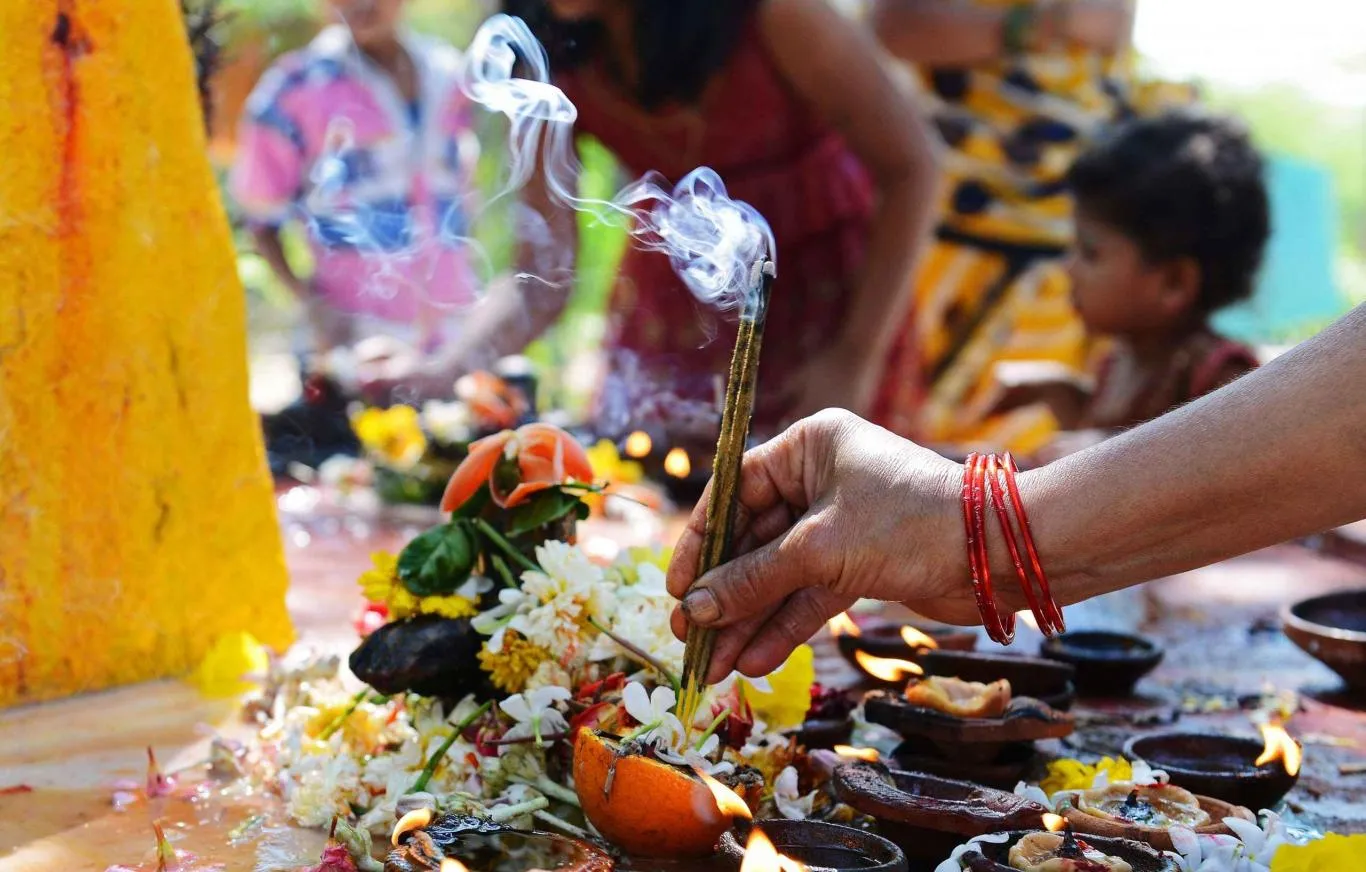
Pitru Karya refers to traditional Hindu religious practices performed in remembrance and honor of departed ancestors.
Families may perform different ancestral rituals depending on their family tradition, regional customs and the particular purpose of the ceremony. These may include Pind Daan, Shraddha, Tarpan, Brahmin Bhojan and other religious observances.
Varanasi, also known as Kashi, is an important pilgrimage destination for families who wish to perform ancestral rituals.
If you are planning Pitru Karya in Varanasi, understanding the general process and preparing in advance can make your pilgrimage more comfortable and organized.
This guide explains Pitru Karya, common rituals, preparation, Pandit arrangements and important things families should know before visiting Kashi.
What Is Pitru Karya?
Pitru Karya broadly refers to religious practices performed for departed ancestors.
In Hindu traditions, remembering and honoring ancestors is considered an important part of family and religious life.
Depending on the family tradition, Pitru Karya may include:
- Pind Daan
- Shraddha
- Tarpan
- Prayer
- Food offerings
- Brahmin Bhojan
- Donations
- Other prescribed rituals
The exact ceremony depends on the family's tradition and the guidance of the priest.
Why Is Pitru Karya Performed?
Families perform ancestral rituals as an expression of respect, remembrance and devotion toward departed family members.
The ceremony may be performed on specific traditional occasions, death anniversaries, Pitru Paksha or other dates prescribed according to family customs.
If you are uncertain about the appropriate ritual or date, it is advisable to consult an experienced Pandit.
Why Perform Pitru Karya in Varanasi?
Varanasi is one of the most important Hindu pilgrimage cities in India.
The sacred Ganga and the ancient ghats of Kashi are closely connected with Hindu religious traditions.
Because of this spiritual significance, families from different parts of India visit Varanasi to perform various religious and ancestral ceremonies.
Families planning Pitru Karya in Kashi can discuss their requirements with a local Pandit and arrange the appropriate ceremony.
Main Rituals Associated With Pitru Karya
Pitru Karya can involve different rituals depending on the family and occasion.
Pind Daan
Pind Daan is a traditional ancestral ritual involving Pind offerings.
Families may perform Pind Daan for departed parents, grandparents or other ancestors according to their family tradition.
The priest guides the family through the appropriate procedure.
Tarpan
Tarpan generally involves water offerings and prayers in remembrance of ancestors.
It may be performed as part of a broader ancestral ceremony depending on the family's tradition.
Shraddha
Shraddha is a broader ancestral observance that may involve prayers, offerings, food and other traditional practices.
It can be performed on prescribed dates and during occasions such as Pitru Paksha.
Brahmin Bhojan
Some families arrange food for Brahmins as part of their ancestral observance.
If you wish to include Brahmin Bhojan in your Pitru Karya ceremony, discuss the arrangements with the Pandit beforehand.
Donations
Some families may also make donations as part of their traditional observance.
The appropriate practice can depend on family customs and the advice of the priest.
Pitru Karya During Pitru Paksha
Pitru Paksha is an important period associated with ancestral remembrance.
During this period, many families perform Shraddha, Tarpan and Pind Daan.
Families who want to perform Pitru Karya in Varanasi during Pitru Paksha should consider making arrangements in advance.
During busy pilgrimage periods, priests, accommodation and transportation can be in greater demand.
Pitru Karya on Death Anniversary
Some families perform ancestral rituals on the death anniversary of a departed family member.
The exact ceremony can depend on family tradition and the circumstances of the deceased.
If you are planning Pitru Karya in Varanasi for a death anniversary, speak with your Pandit before travelling to understand the appropriate procedure.
Who Can Perform Pitru Karya?
The person who performs an ancestral ceremony can depend on family tradition and circumstances.
Different communities and families may have different customs.
If you are unsure who should perform the ritual, provide the relevant family details to your Pandit and ask for guidance before the ceremony.
General Procedure of Pitru Karya
There is no single procedure applicable to every family.
However, a ceremony may generally involve several stages.
Step 1: Sankalpa
The priest guides the family through Sankalpa and establishes the purpose of the ceremony.
Step 2: Puja Preparation
The necessary materials and offerings are arranged.
The required Samagri depends on the specific ritual.
Step 3: Ancestral Prayers
Prayers and mantras are performed in remembrance of the departed ancestors.
Step 4: Pind Daan
If Pind Daan is part of the ceremony, the Pind offerings are prepared and offered according to the prescribed method.
Step 5: Tarpan
Tarpan may be performed with water offerings and prayers according to the family's tradition.
Step 6: Other Offerings
Depending on the ceremony, food offerings, Brahmin Bhojan or donations may also be arranged.
Step 7: Completion
The Pandit guides the family through the concluding prayers and rituals.
The exact procedure should always be confirmed with the priest because traditions vary.
How to Prepare for Pitru Karya in Varanasi
Families travelling from outside Varanasi should prepare before starting their journey.
1. Decide the Purpose
First determine whether you want to perform:
- Pind Daan
- Shraddha
- Tarpan
- Pitru Karya
- Death anniversary ritual
- Pitru Paksha ceremony
- Multiple rituals
2. Consult a Pandit
Discuss your family situation and requirements with an experienced priest.
3. Confirm the Date
Confirm the appropriate date according to your family's tradition and the purpose of the ceremony.
4. Confirm the Location
Ask where the ceremony will be performed.
If you prefer a location near the Ganga or a particular ghat, communicate this requirement beforehand.
5. Confirm Puja Samagri
Ask whether the Pandit will arrange the required materials.
6. Confirm Participants
Tell the priest how many family members will attend.
7. Confirm Additional Services
If you require Brahmin Bhojan or other arrangements, discuss them before booking.
Documents and Information to Keep Ready
Families may find it useful to keep relevant information ready before contacting the Pandit.
This can include:
- Name of the deceased
- Relationship with the deceased
- Relevant family details
- Date of death, where applicable
- Preferred ceremony date
- Number of participants
- Required rituals
The priest can explain what information is required for the specific ceremony.
How to Choose a Pitru Karya Pandit in Varanasi
Choosing an appropriate Pandit is an important part of planning the ceremony.
When selecting a priest, consider:
Experience
Ask whether the Pandit regularly performs Pitru Karya and related ancestral rituals.
Clear Communication
The priest should clearly explain the ceremony, timing, location and requirements.
Transparent Pricing
Ask for a clear explanation of the charges and what is included.
Ritual Knowledge
Discuss your family tradition and confirm that the ceremony can be performed according to your requirements.
Local Experience
A local Pandit can help families understand practical arrangements in Varanasi.
Questions to Ask Your Pandit
Before confirming the ceremony, ask:
- What ritual is appropriate for our family?
- What date should we choose?
- Where will the ceremony take place?
- What time should we arrive?
- What Samagri is required?
- Is Pind Daan included?
- Is Tarpan included?
- Is Brahmin Bhojan available?
- How many family members can participate?
- What is included in the total charge?
- Are there any additional charges?
- How long will the ceremony take approximately?
These questions can help avoid misunderstandings.
Pitru Karya for Families Travelling From Other Cities
Families often travel long distances to visit Kashi for religious ceremonies.
If you are travelling from another city, advance planning is particularly useful.
Confirm your Pandit's availability before booking travel and accommodation.
Also consider:
- Airport or railway station transfer
- Hotel location
- Transportation to the ceremony
- Elderly family members
- Ceremony timing
- Return travel
A well-planned trip allows the family to concentrate on the spiritual purpose of the pilgrimage.
Pitru Karya for Elderly Family Members
If parents or elderly relatives are participating, accessibility should be considered.
Before choosing the ceremony location, ask about:
- Walking distance
- Steps
- Seating
- Transportation
- Timing
- Accessibility
A comfortable arrangement is especially important when travelling with elderly family members.
What Is the Difference Between Pitru Karya and Pind Daan?
Pitru Karya is a broader term referring to ancestral religious practices.
Pind Daan is one specific ritual involving traditional Pind offerings.
Therefore, Pind Daan can be part of Pitru Karya, but Pitru Karya can include several other rituals as well.
What Is the Difference Between Pitru Karya and Shraddha?
Shraddha is an important ancestral observance that may include prayers, offerings, food and other rituals.
Pitru Karya is a broader term that can cover various practices performed for ancestors.
Depending on the occasion and family tradition, Shraddha may form part of Pitru Karya.
Can Pind Daan, Tarpan and Shraddha Be Performed Together?
Depending on the family tradition and purpose of the ceremony, different ancestral rituals may be performed together.
However, the exact combination should be decided with the Pandit.
Tell the priest all your requirements before the ceremony so that the appropriate arrangements can be made.
What Should You Avoid?
Families should avoid making important ritual decisions based only on information found online.
Some rituals have different procedures depending on regional and family traditions.
It is better to discuss your specific circumstances with a knowledgeable priest.
Also avoid accepting additional services without first asking what they are for and what they cost.
Clear communication is important.
Why Advance Planning Is Important
Planning your Pitru Karya ceremony before arriving in Varanasi can help you confirm:
- Pandit availability
- Date
- Time
- Ceremony location
- Ritual requirements
- Puja Samagri
- Number of participants
- Additional services
- Pricing
This is particularly useful during Pitru Paksha and other busy pilgrimage periods.
Simple Pitru Karya Planning Checklist
Before travelling to Varanasi, confirm:
- Purpose of ceremony
- Appropriate date
- Pandit availability
- Ceremony location
- Ceremony time
- Pind Daan requirement
- Tarpan requirement
- Shraddha requirement
- Puja Samagri
- Number of participants
- Brahmin Bhojan, if required
- Total charges
- Transportation
- Accommodation
Conclusion
Pitru Karya in Varanasi can be an important spiritual journey for families wishing to remember and honor their ancestors.
Depending on family tradition and the purpose of the ceremony, Pitru Karya may include Pind Daan, Shraddha, Tarpan, Brahmin Bhojan, donations and other traditional practices.
Because ancestral rituals can vary between families and communities, it is important to discuss your requirements with an experienced Pandit before finalizing the ceremony.
If you are planning Pitru Karya in Kashi, arranging the priest, date, location and required materials in advance can make the pilgrimage more organized and comfortable.
Frequently Asked Questions
What is Pitru Karya?
Pitru Karya is a broad term for religious practices performed in remembrance and honor of departed ancestors.
Can Pitru Karya be performed in Varanasi?
Families can arrange Pitru Karya in Varanasi according to their family traditions and the guidance of their Pandit.
What rituals are included in Pitru Karya?
Depending on the family and occasion, Pitru Karya may include Pind Daan, Shraddha, Tarpan, Brahmin Bhojan, donations and other ancestral practices.
Can Pind Daan be part of Pitru Karya?
Yes. Pind Daan is one of the traditional rituals that may form part of Pitru Karya.
Can Pitru Karya be performed during Pitru Paksha?
Families may perform ancestral rituals during Pitru Paksha according to their traditions.
Can Pitru Karya be performed on a death anniversary?
Some families perform ancestral rituals on death anniversaries. The appropriate procedure should be confirmed with the Pandit.
Should I book a Pandit in advance?
Advance planning is recommended, especially when travelling during busy pilgrimage periods.
What should I ask before booking a Pitru Karya ceremony?
Confirm the date, time, location, rituals, Puja Samagri, number of participants, included services and total charges.
Can Brahmin Bhojan be arranged?
Depending on the service and family requirements, Brahmin Bhojan may be arranged as part of the ancestral observance.
Can elderly family members participate?
Yes, according to their ability and the requirements of the ceremony. Families should consider accessibility when choosing the ceremony location.