Upanayan Sanskar (Janeu Ceremony)
- Home
- Upanayan Sanskar (Janeu Ceremony)
Upanayan Sanskar (Janeu Ceremony)

Introduction
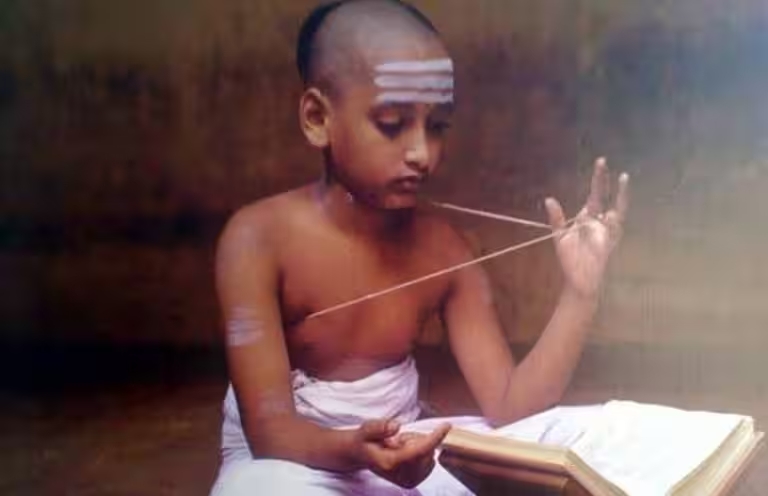
Upanayan Sanskar, commonly known as Janeu Sanskar or Yagnopavit Sanskar, is one of the important traditional ceremonies described in Hindu religious practices.
The ceremony marks a significant stage in the traditional life of a person and is associated with learning, discipline, spiritual responsibility and the study of sacred knowledge.
Many Hindu families arrange Upanayan Sanskar for their children with the guidance of experienced Vedic Pandits.
Varanasi, known for its long association with Sanskrit learning and Vedic traditions, is considered an important destination for families wishing to perform this ceremony.
What Is Upanayan Sanskar?
The word Upanayan is traditionally understood as bringing someone closer to the Guru and the process of spiritual education.
During the ceremony, the sacred thread known as Yagnopavit or Janeu is ceremonially invested.
Traditionally, this ceremony marks the beginning of Brahmacharya Ashrama and the student's commitment to learning and disciplined living.
Importance of the Janeu Ceremony
Upanayan Sanskar has several traditional and spiritual dimensions:
- It represents the beginning of a disciplined educational journey.
- It introduces the student to Gayatri Mantra practices according to tradition.
- It signifies responsibility towards religious duties.
- It represents the relationship between Guru and Shishya.
- It marks an important milestone in family and religious life.
The ceremony's interpretation and eligibility requirements vary across Hindu communities and family traditions.
Important Rituals of Upanayan Sanskar
The ceremony may include the following rituals:
1. Ganesh Puja
The ceremony begins with prayers to Lord Ganesha.
2. Sankalp
The family and Pandit take the ritual vow before beginning the ceremony.
3. Yagnopavit Dharan
The sacred thread is ceremonially placed on the student according to traditional procedures.
4. Gayatri Mantra Upadesha
The Guru or qualified Pandit traditionally introduces the student to the Gayatri Mantra.
5. Havan
Sacred offerings are made into the fire while Vedic mantras are recited.
6. Ashirwad
Elders and family members bless the student for a disciplined and meaningful life.
When Should Upanayan Sanskar Be Performed?
Traditionally, the ceremony is performed at an age prescribed by the relevant Grihya Sutras and family tradition.
The appropriate age and date may differ according to community customs, Vedic tradition and family practice.
Families generally consult a knowledgeable Pandit to determine the appropriate muhurat.
What Arrangements Are Required?
Common preparations include:
- Sacred Janeu threads
- Havan materials
- Kalash and puja items
- Flowers and fruits
- Traditional clothing
- Seating arrangements for the Guru and family
- Required ritual materials according to the Pandit's instructions
Why Perform Upanayan Sanskar in Varanasi?
Varanasi has a historic association with Sanskrit education, Vedic studies and traditional religious practices.
Families from different parts of India visit Kashi to conduct religious ceremonies under the guidance of experienced Pandits.
Book a Pandit for Upanayan Sanskar in Varanasi
Tirth Kshetra Purohit assists families in arranging traditional Vedic ceremonies in Varanasi.
If you are planning a Janeu ceremony for your child or family member, contact us to discuss the required rituals, muhurat and arrangements.